In this series, we follow the construction of the new Swiss Embassy in Cameroon’s capital Yaoundé and showcase the ideas and faces behind this special project.

Swiss Embassy Yaoundé: Jumpstart
09 | 03 | 2026
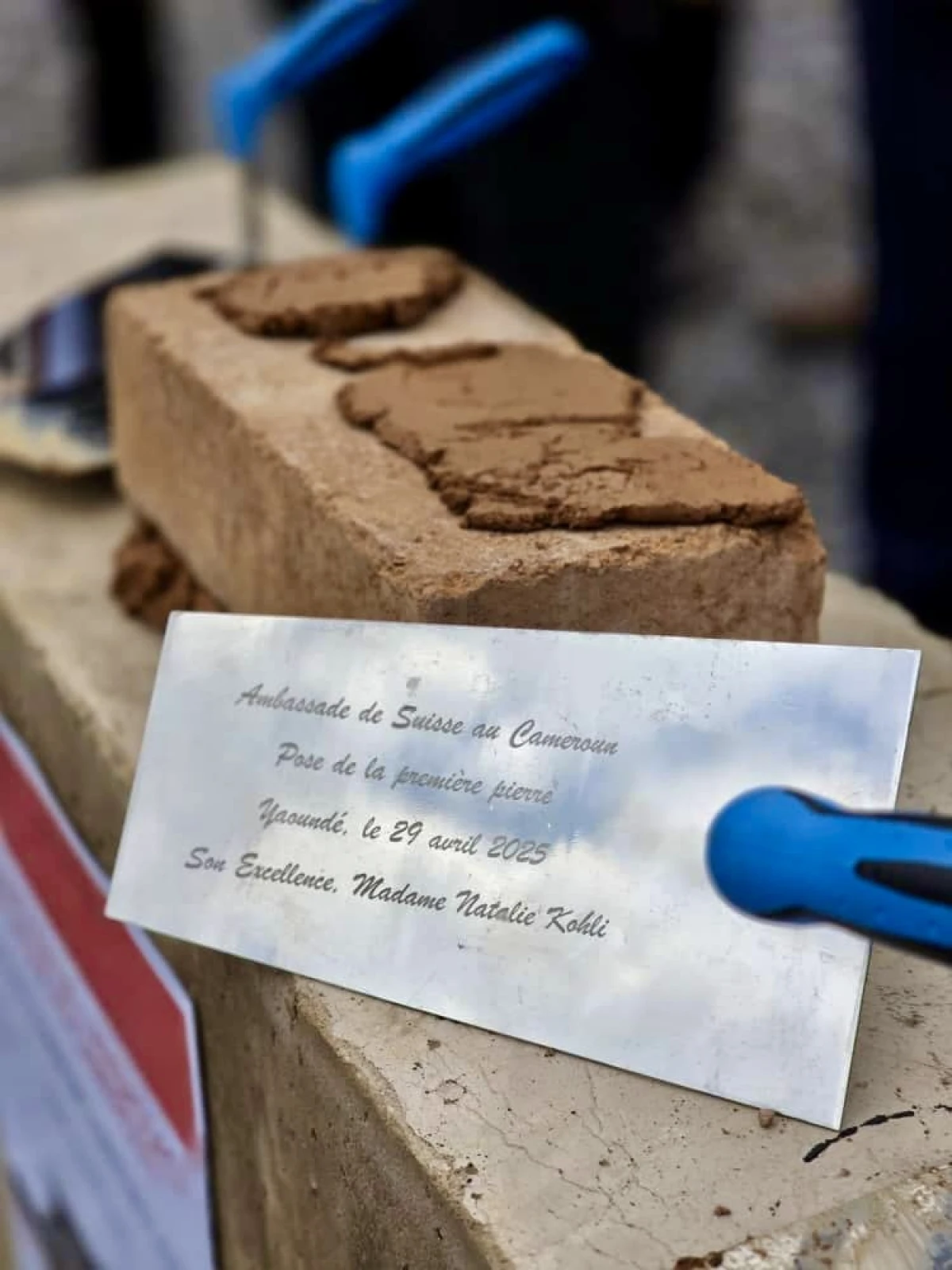
A public building, and even more so an embassy, built with compressed earth blocks. This is rather unusual in Cameroon's capital Yaoundé. "In Africa, building with earth often is perceived as a sign of poverty, while the use of concrete is viewed as a modern and more adequate way to build limited to the wealthy and therefore dominates as a status symbol. It therefore sends a powerful signal that the Swiss government is building its new Embassy in Cameroon with earth-based materials", says Jonathan Ensslin of Oxara. He oversees the project for Oxara, which supplies the stabilizer for the compressed earth blocks.
The new embassy building was designed by Caesar Zumthor Architekten and Nord Architekten and includes offices, a residence, and a connecting building arranged around a courtyard. The architects' goal was to build sustainably with local resources. Their idea: re-use of the site’s excavation waste, processed into compressed earth blocks with Oxara’s Oxabrick® Loko stabilizer.
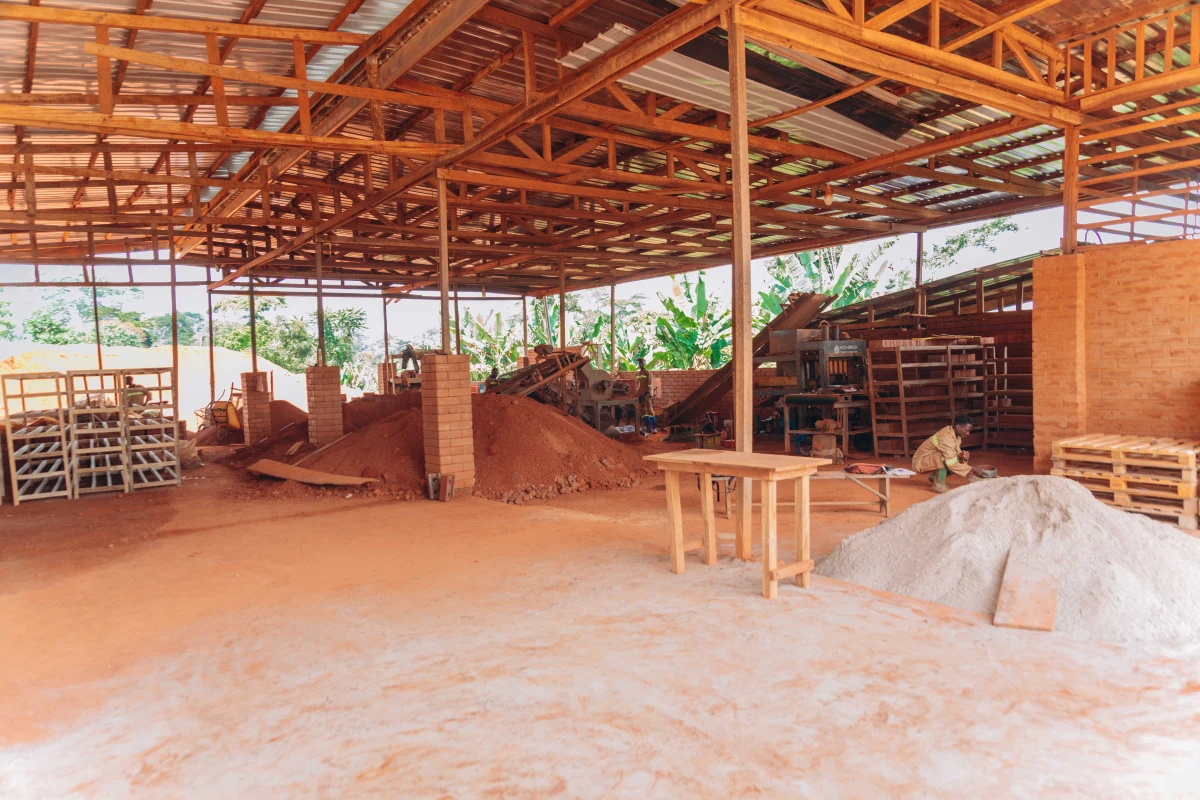 ©Glen Amungwa Nkumboh
 To test the properties of the site’s excavation waste, 150kg of earth from Yaoundé were shipped to Oxara’s lab in Dietikon, Switzerland. The tests showed that the material was well-suited for the use with Oxabrick® Loko. To validate the laboratory results at scale on-site, an initial shipment of the stabilizer was sent to Yaoundé. However, as so often when scaling from the lab to actual production, the results obtained in Oxara’s lab initially could not be reproduced on site in Cameroon. To address the challenge, Oxara engaged Bernadin Beauderic Kenne Diffo as an independent consultant on-site. Bernadin is a materials researcher who first became acquainted with Oxara in 2020 during his doctorate at ETH Zurich. Living in Cameroon himself, he brings not only scientific expertise for earth-based construction materials but also experience with local conditions and can bridge the gap between Oxara’s technology developed in Switzerland and the Cameroonian earth-block production. Looking back, he describes the situation: "The compressed earth block producer Eco-Brick had already made initial productions with the Oxara stabilizer but encountered problems with the mixing ratios." Together with Eco-Brick, Bernadin successfully implemented a mixing ratio and production process that met both water absorption and compressive strength requirements.
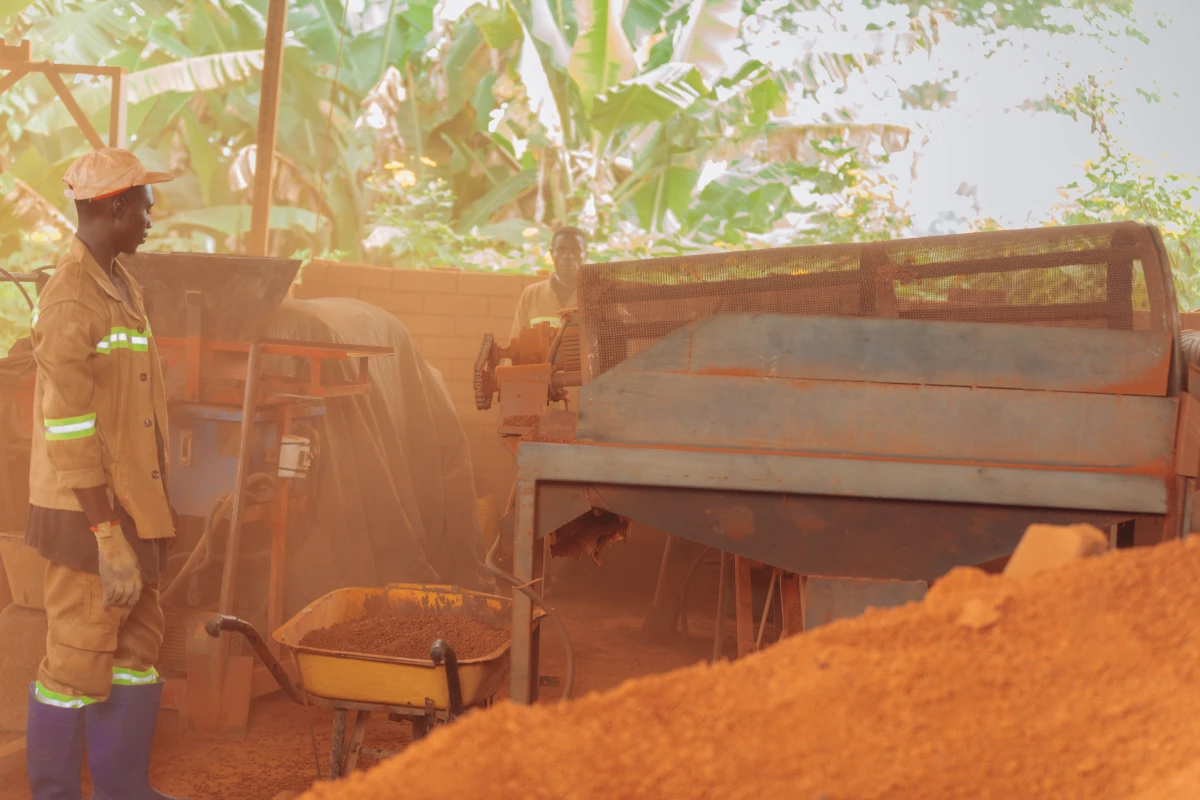
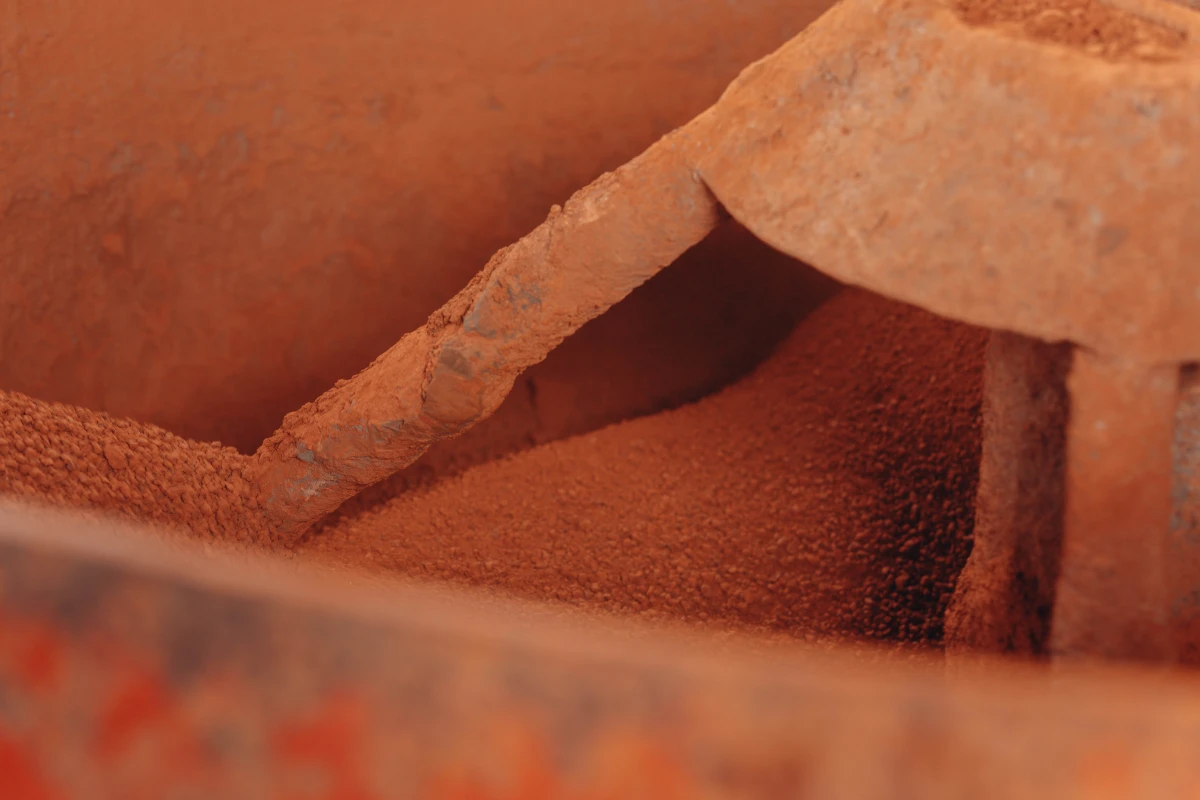
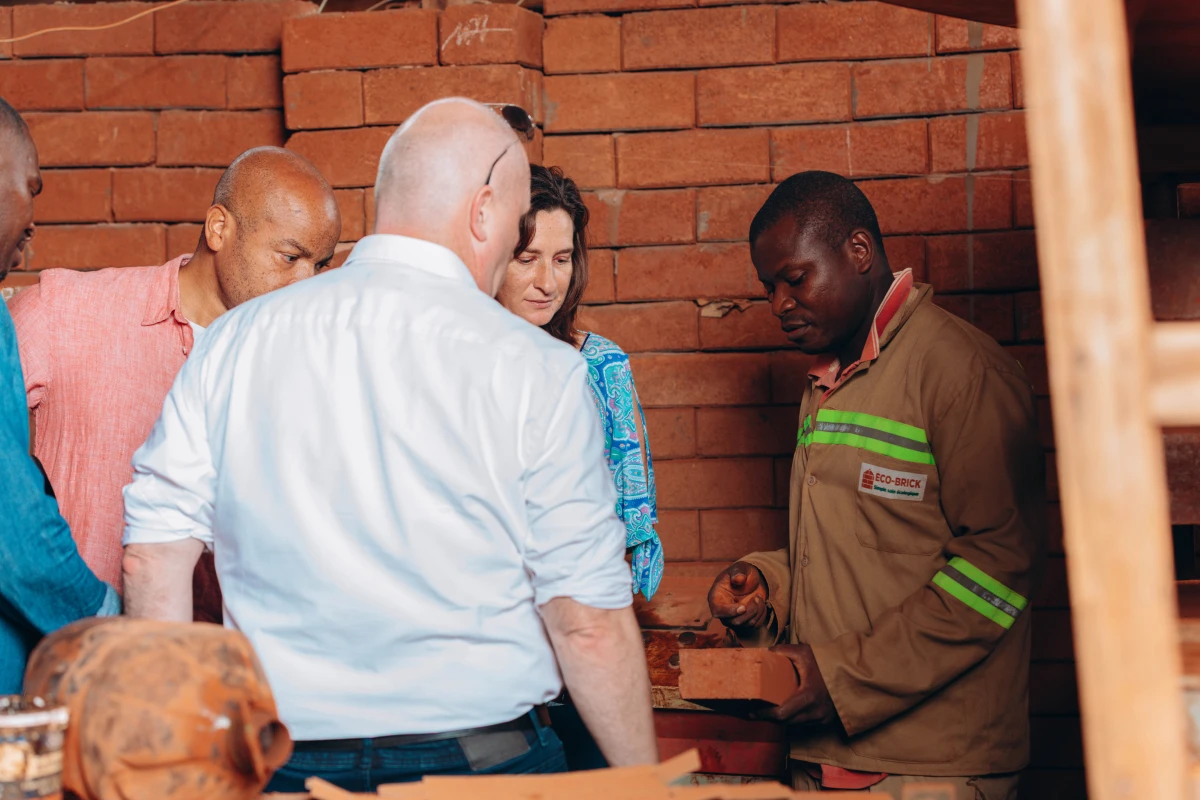
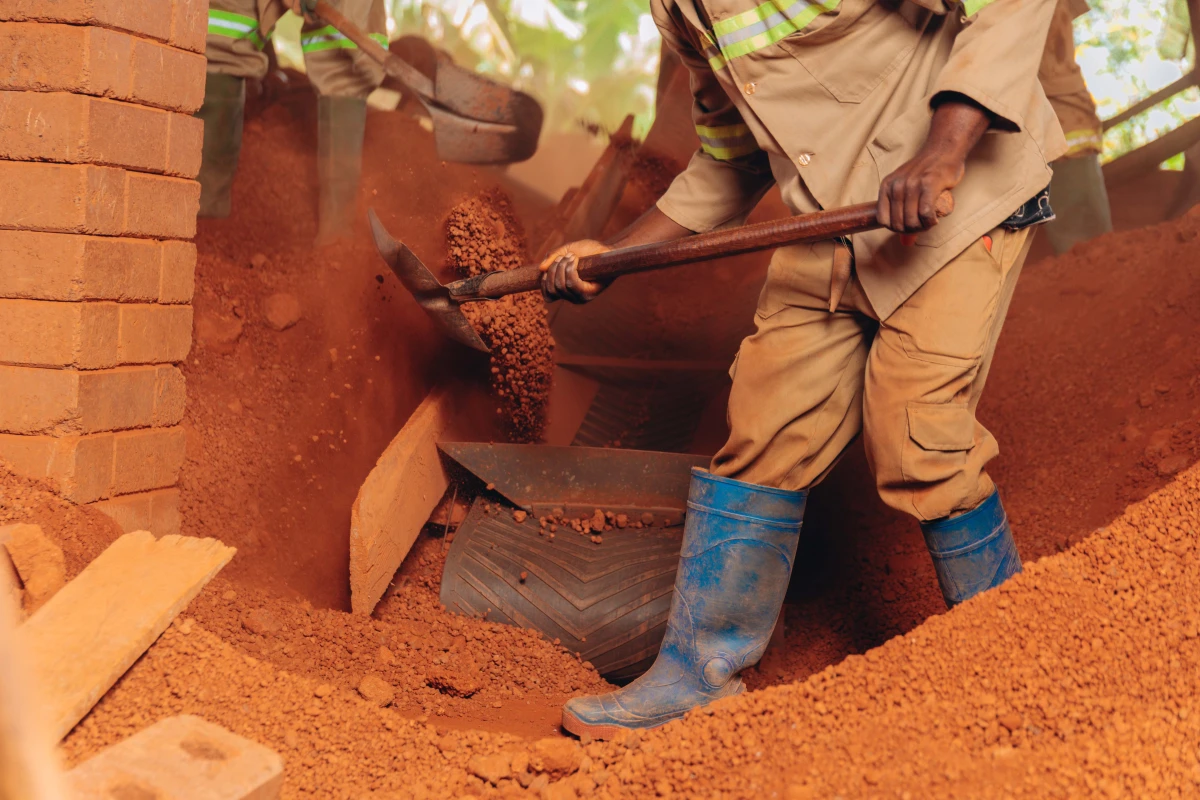
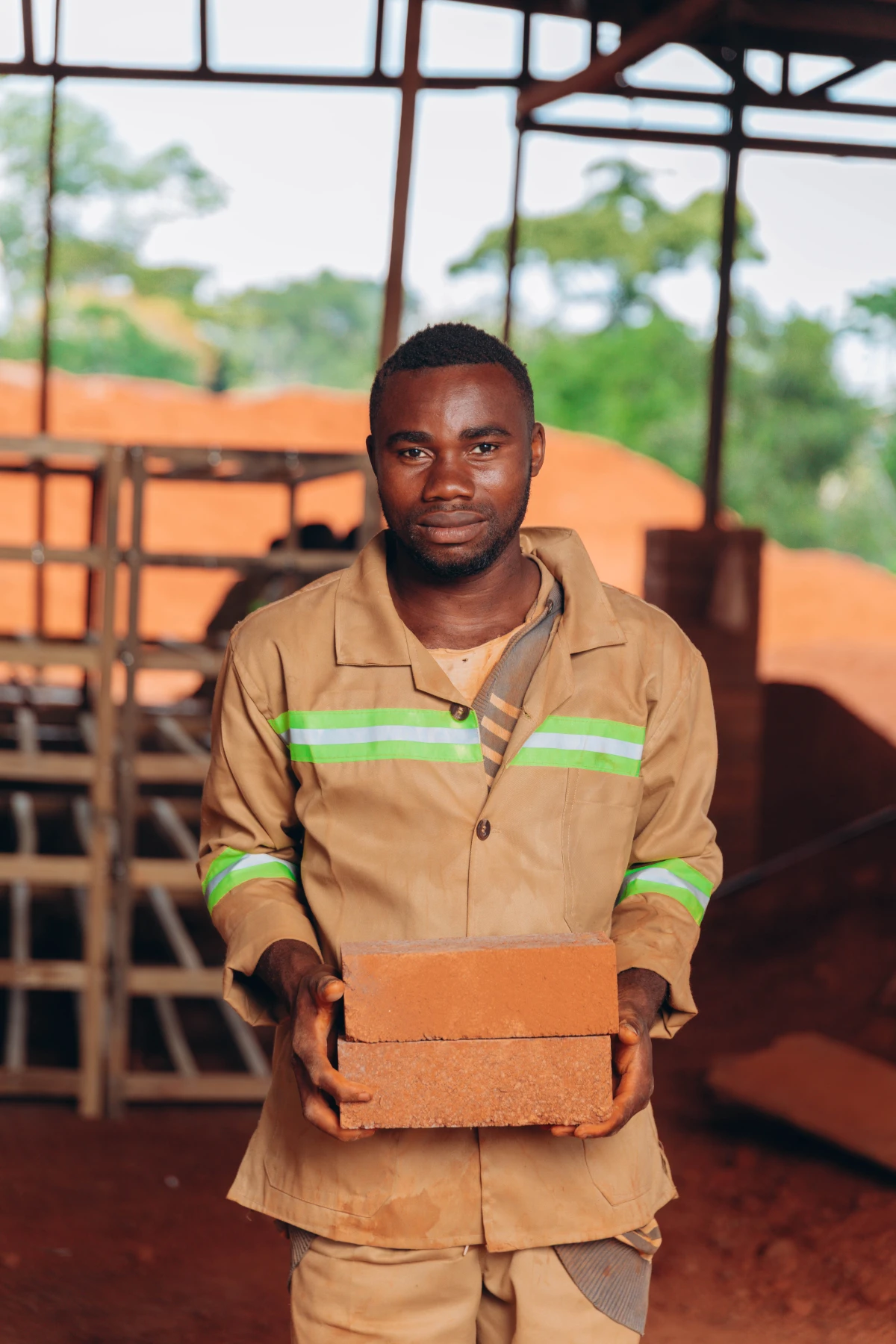
In summer 2025, the first large shipment of Oxabrick® Loko was sent to Yaoundé. Since then, the first successful production runs have been carried out and the formulation has been validated together with the local producer Eco-Brick. A first wall mock-up for the masonry elements has already been completed, while a larger mock-up consisting of around 7,000 compressed earth blocks is currently under construction and expected to be completed in the coming weeks. Construction work for the new embassy will begin shortly afterwards.
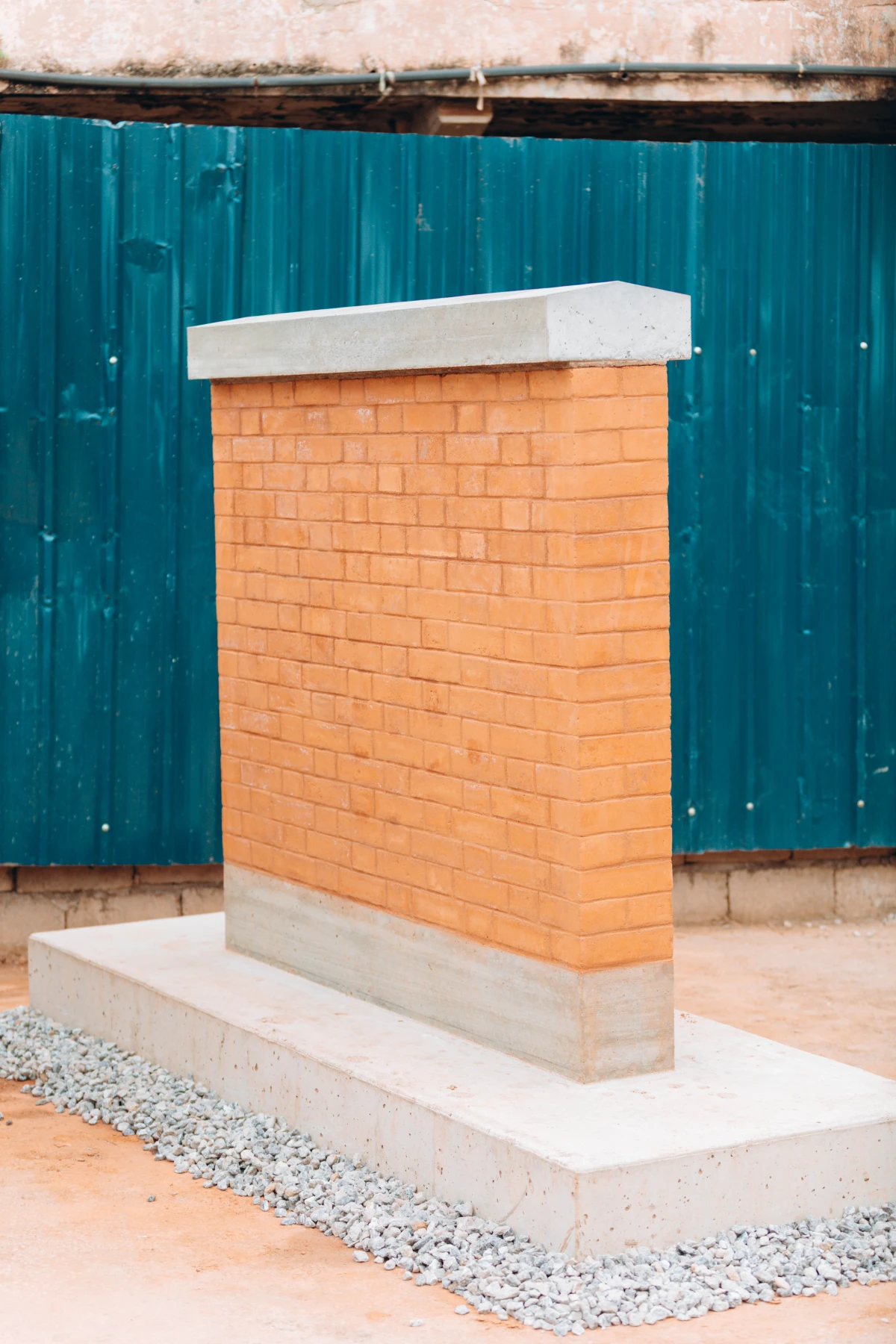
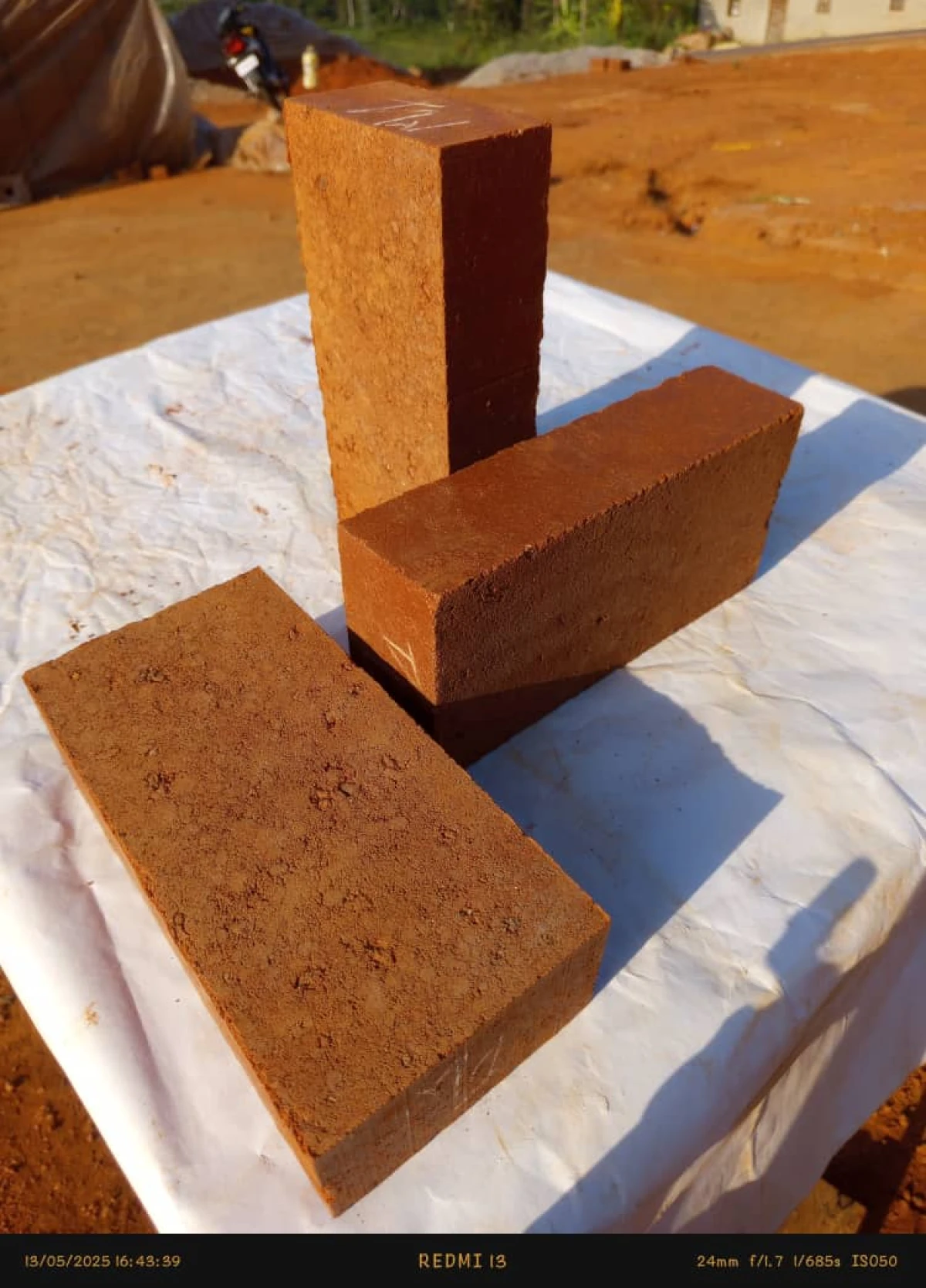
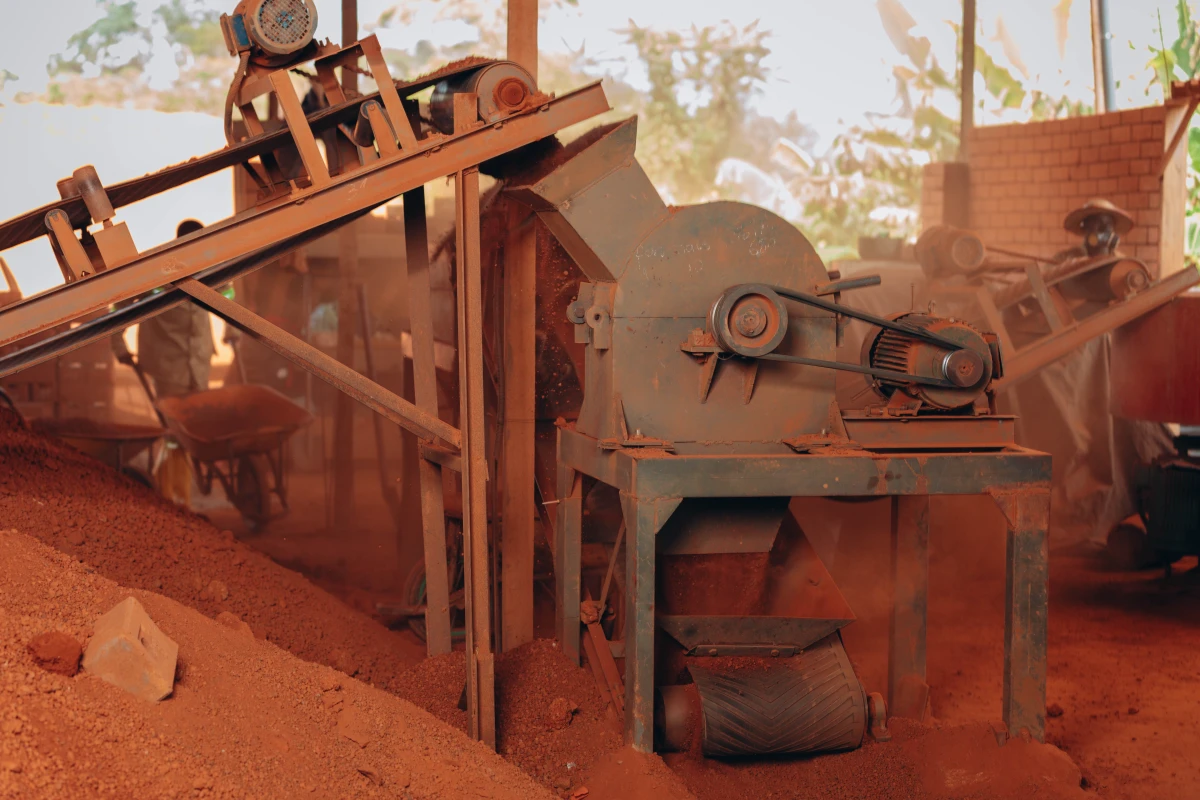
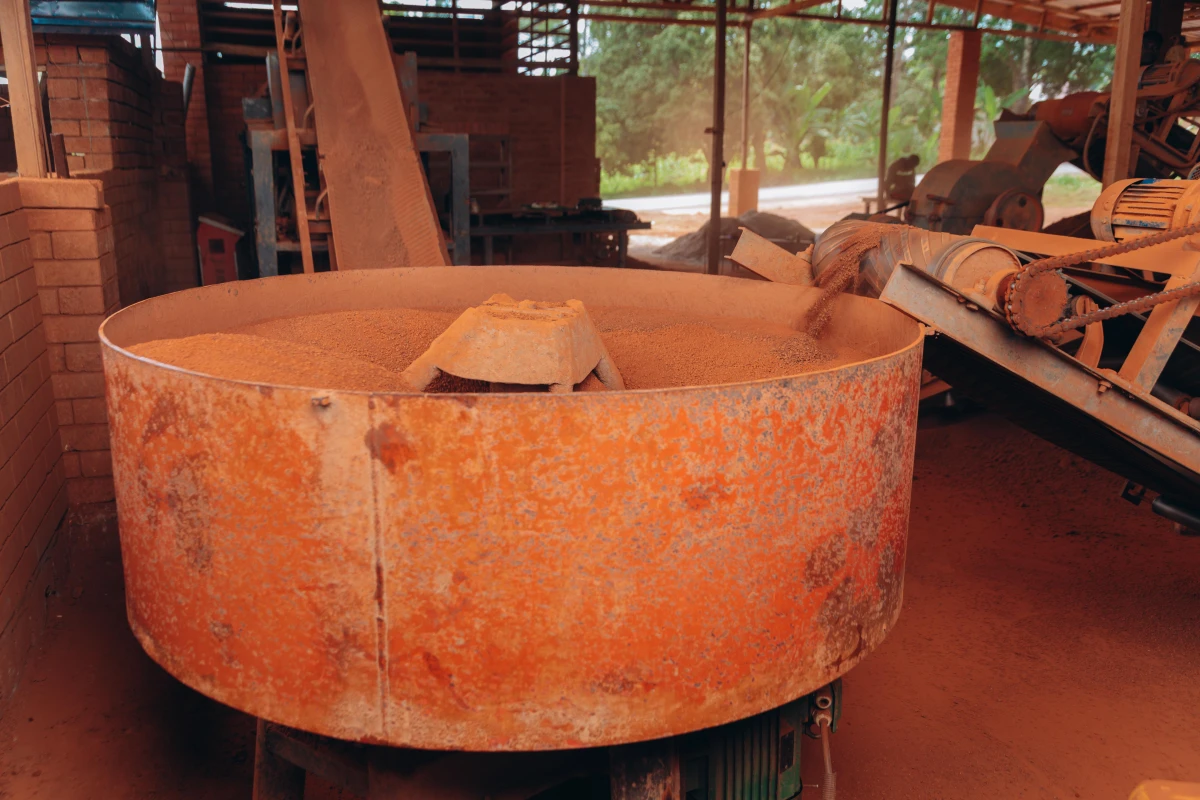
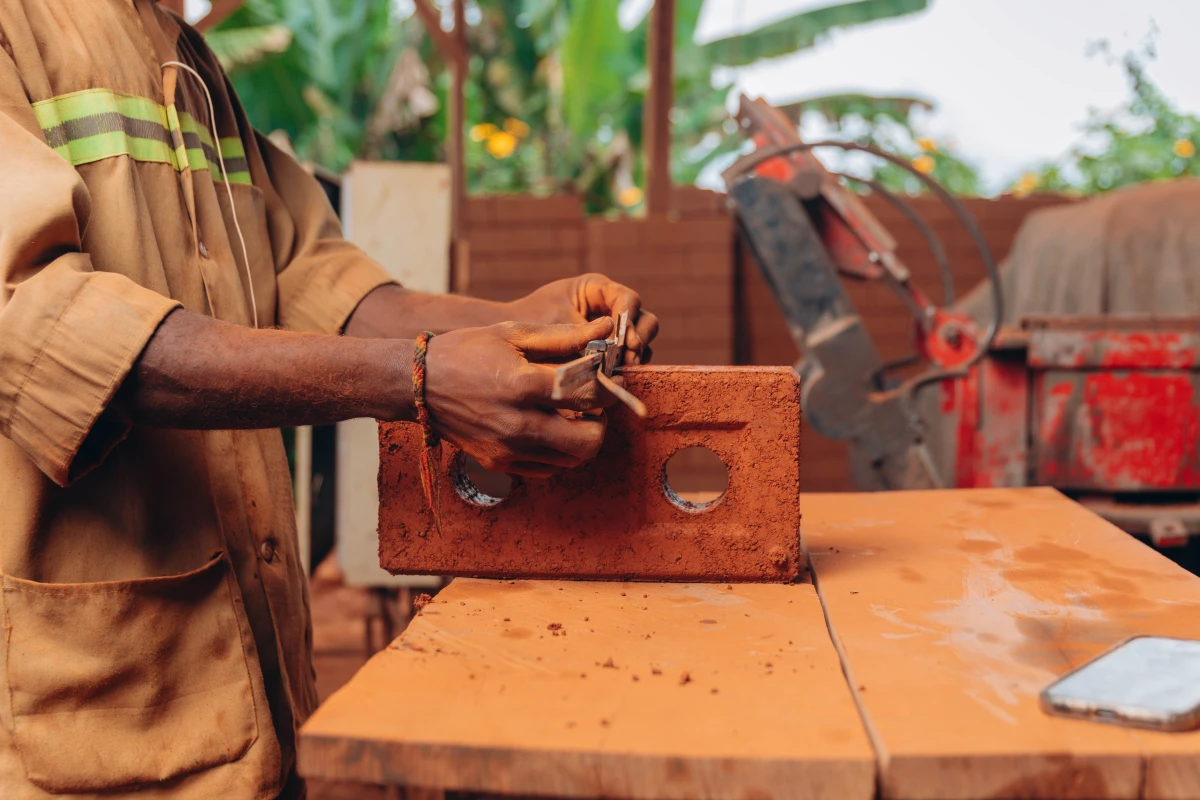
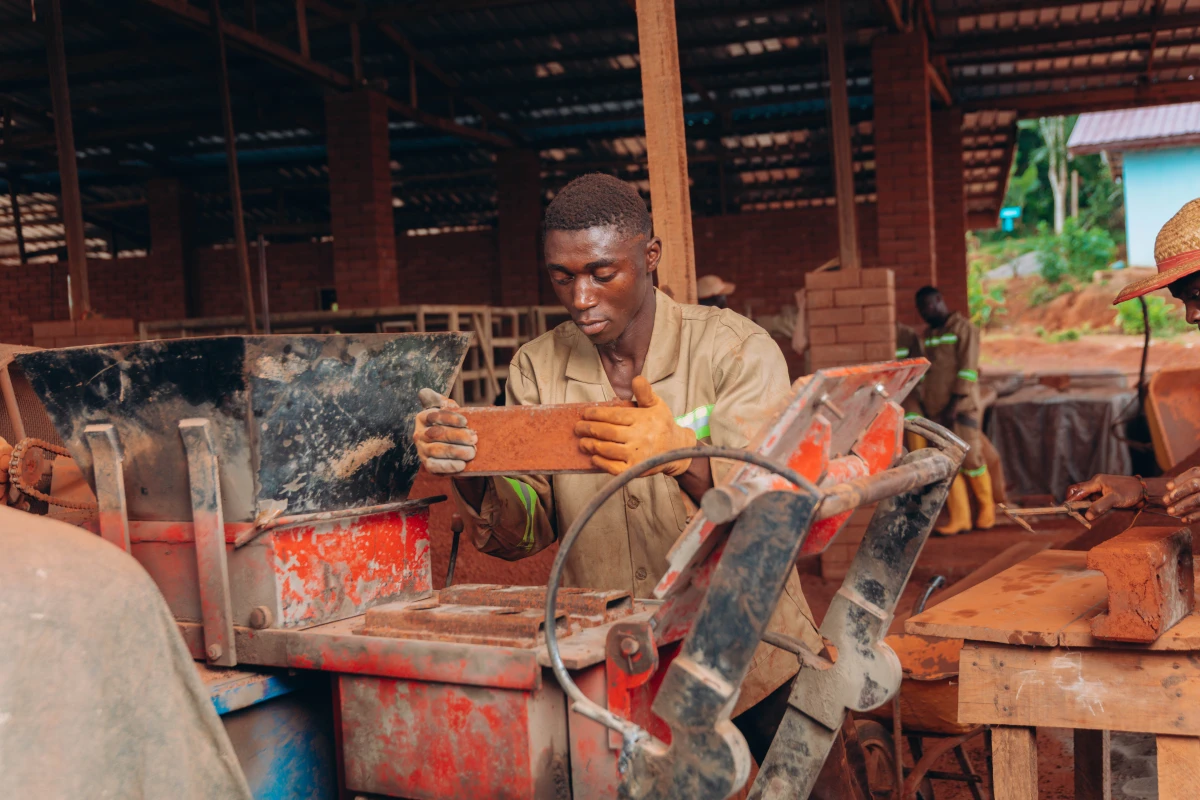
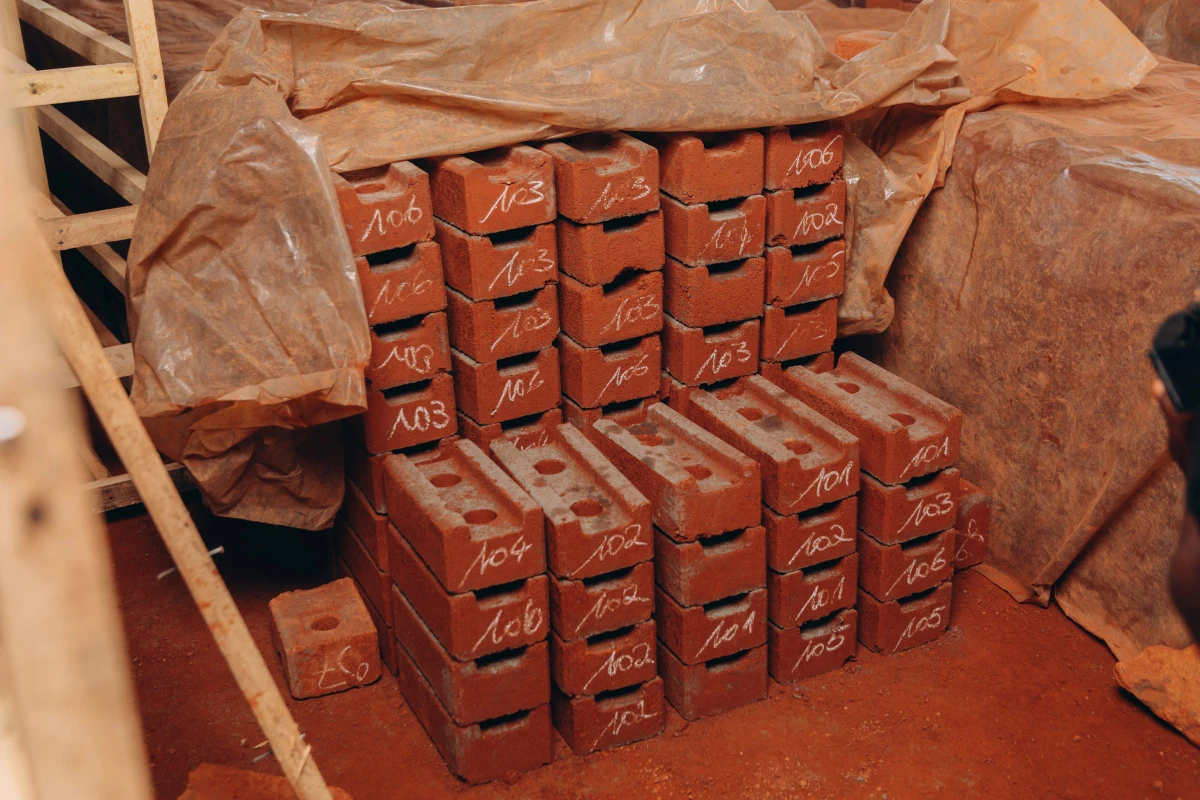
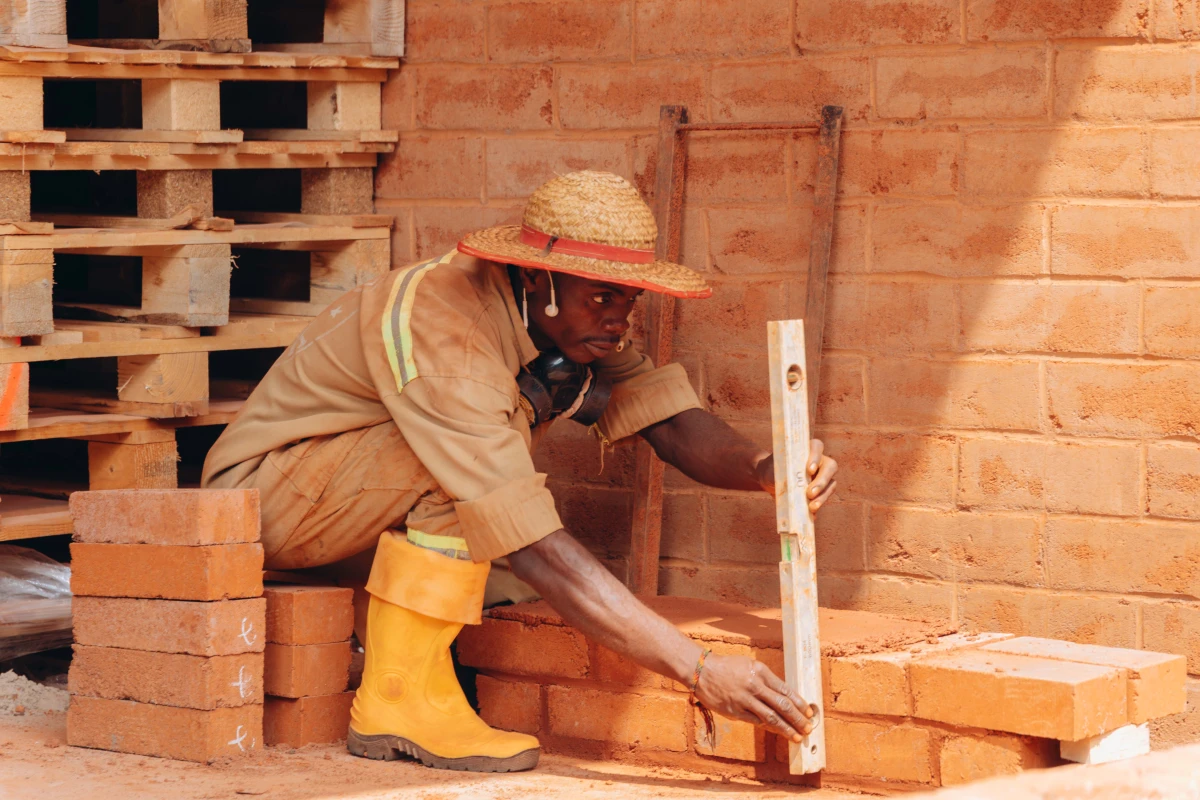
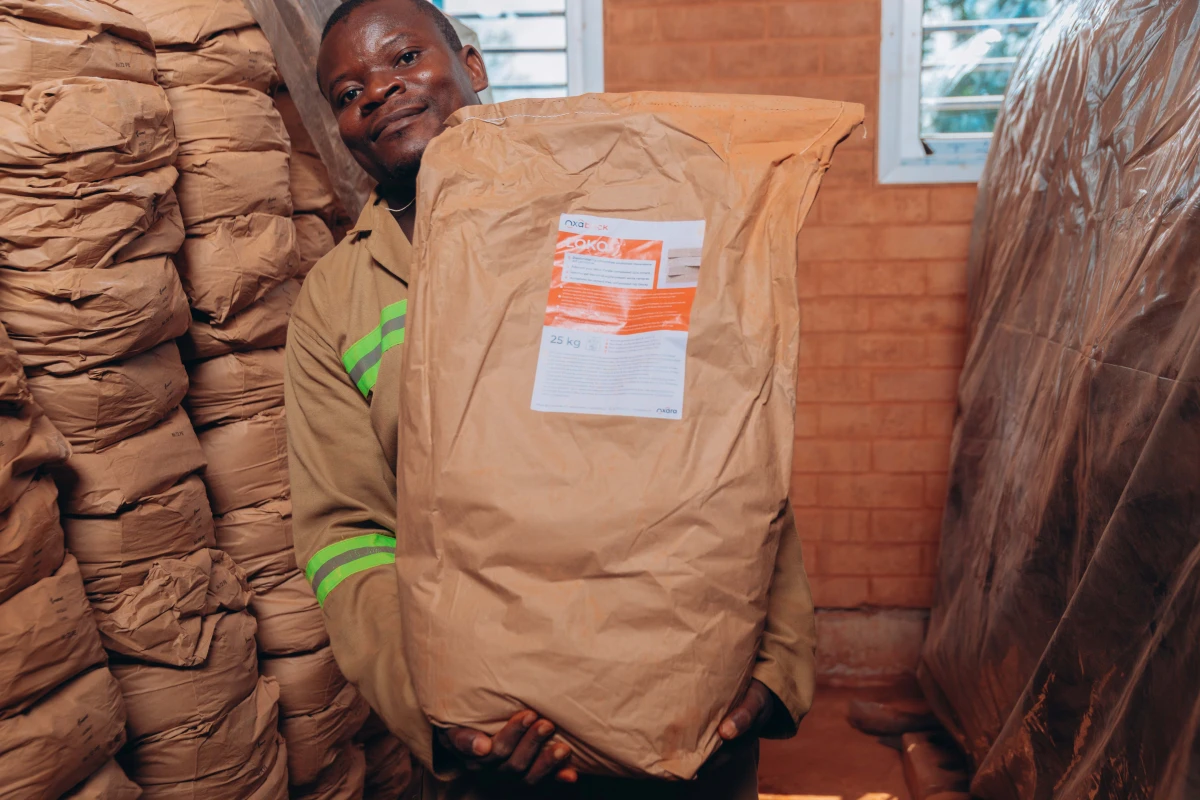
The project's impact should not be underestimated, as it combines scientific relevance with practical effect, as Bernadin says: "The possibility of using the laterite soil, which is abundant in Yaoundé, to produce compressed earth blocks that are almost as strong as ordinary concrete blocks – that fascinated me from the start. It represents a positive ecological impact through the reduction of CO₂ emissions that cement use would cause otherwise."
Curious how the story continues? Stay up to date and sign up for our newsletter.
Want to build something together?
Let’s talk – it starts with a message.